Insights on What female moose do when a bear eats their precious little baby.
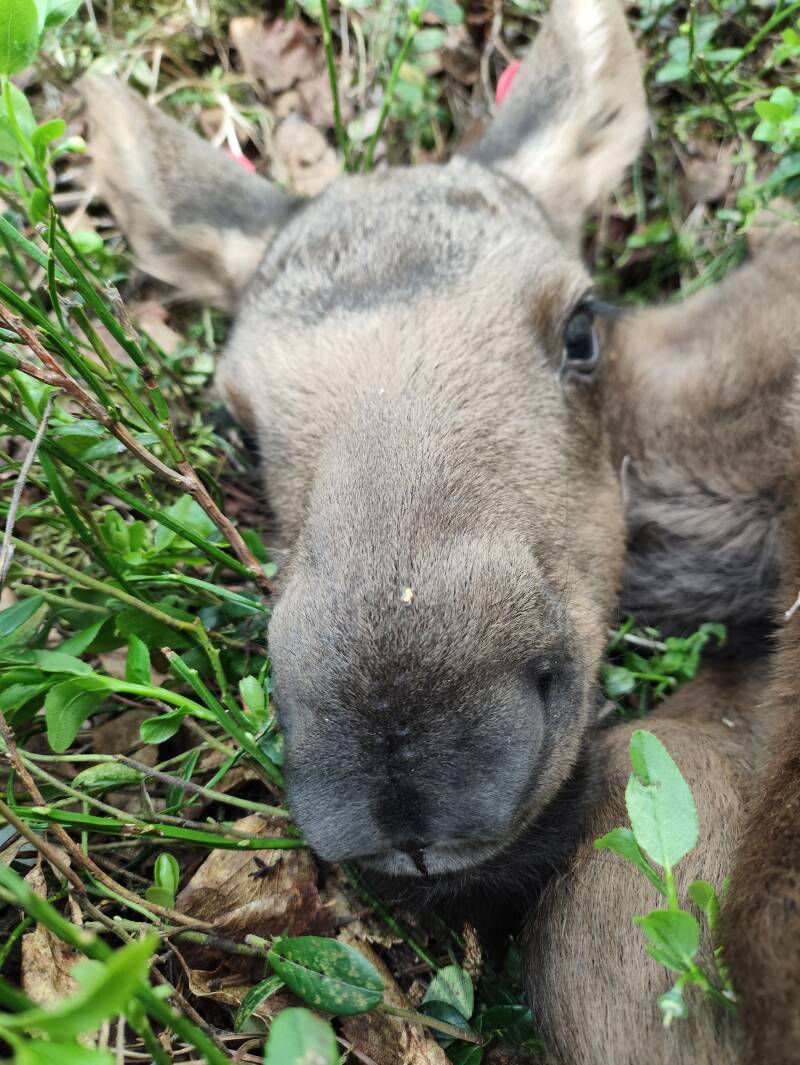
In this paper, we analyzed the movement behavior of female moose after experiencing the loss of their calves to brown bear predation during the first month following parturition. Utilizing fine-scale GPS tracking data, we demonstrated that females who lost their offspring had significantly higher movement rates and covered larger ranges compared to mothers whose calves survived. Furthermore, the intensity of this maternal response was heavily influenced by the age of the calf at the time of death, with older calves triggering stronger behavioral reactions and greater recovery times due to deeper social bonding. The spatial analysis also revealed that neonate predation typically happened much closer to calving sites, underscoring the critical role of birth-site selection as an innate antipredator strategy. Read THE FULL PAPER HERE.
Add comment
Comments