Life is hard, especially if you're a cute deer watching your back from wolves.
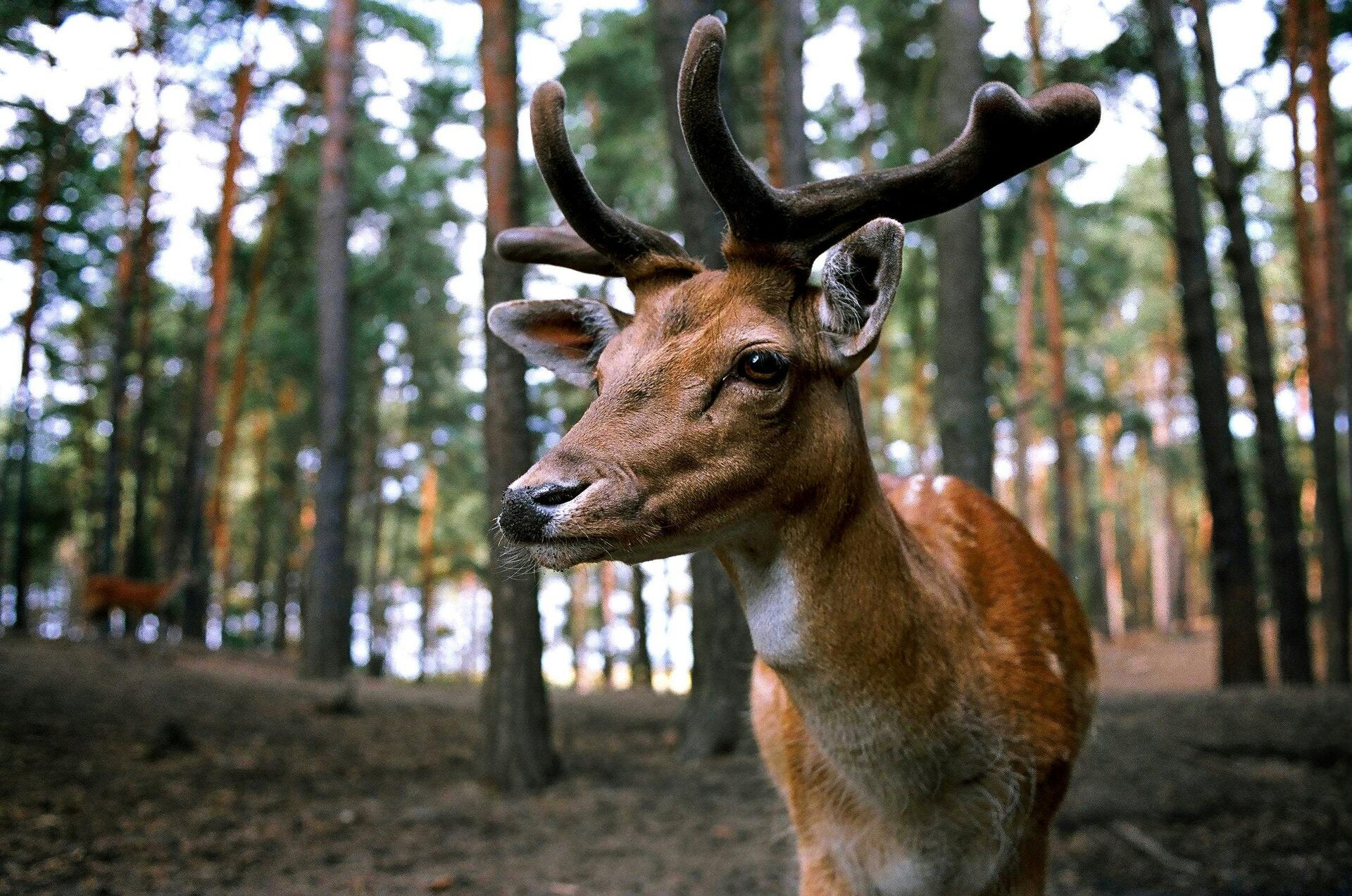
In this article, we look at the behavioral connection between vigilance and self-grooming in wild fallow deer living under the threat of wolf predation. Self-grooming is a well-known mechanism to ameliorate stress in animals, and it has also been used as an indicator of motivational conflict. There's a bulk of literature on captive animals, but little is known about how this works in wild-living animals.
By utilizing camera-trap data from the Maremma Regional Park in Tuscany (Italy), we demonstrated that self-grooming serves as a displacement activity to alleviate discomfort following periods of high alertness. We concluded that self-grooming is a reliable non-invasive indicator of an individual animal's perceived risk and emotional state. Interestingly, while age and sex influenced grooming patterns, the behavior remained primarily linked to individual vigilance rather than group size or direct predator detection rates. Aside from documenting this behavior and its implications for the first time in wild fallow deer, these findings offer new insights into how non-consumptive predator effects shape the welfare and daily lives of wild ungulates. You can read more about this article here.
Add comment
Comments